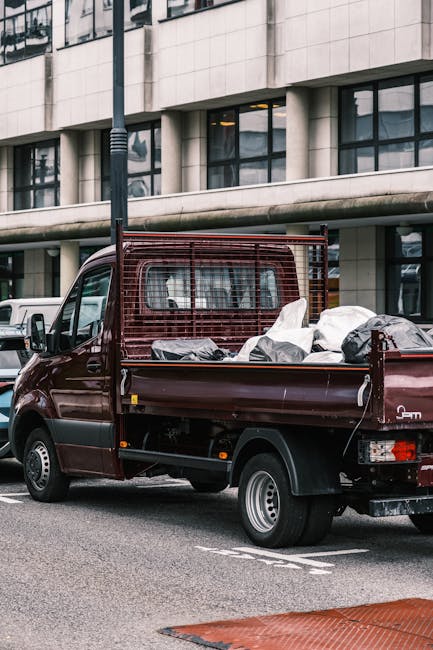
SE18 house rubbish removal zones and pickup tips
If you live in SE18, rubbish removal can feel straightforward right up until it isn't. One day the bags are easy, the next you're staring at a broken wardrobe, a narrow hallway, a parked car blocking the kerb, and wondering how on earth the pickup is meant to happen. That is exactly where understanding SE18 house rubbish removal zones and pickup tips makes a real difference.
This guide breaks the topic down in plain English: what zones usually mean in practice, how local access affects collection day, how to prepare items so they move quickly, and what to avoid if you want a clean, efficient pickup. It also covers practical planning for houses, flats, lofts, garages, and gardens across SE18. Let's face it, rubbish removal is rarely glamorous. But done well, it saves time, stress, and a few unexpected headaches.
Why SE18 house rubbish removal zones and pickup tips Matters
In SE18, the word "zone" can mean more than just a postcode label. In practice, it often describes the realities that affect collection: whether a property is on a main road or a side street, how close the vehicle can park, whether there are stairs, what kind of access the property has, and how far items need to be carried. A ground-floor house with a clear front drive is a very different job from a top-floor flat with a long walk from the nearest loading point.
That matters because rubbish removal is not only about taking things away. It is about planning the move so the work is quick, safe, and fair. A small amount of preparation can shave off a lot of friction. A poorly prepared job, by contrast, can turn into a slow shuffle of one awkward item after another. Nobody wants that, especially on a damp Woolwich morning when the pavement is already busy and everyone's in a hurry.
Pickup tips matter for another reason too: they help you avoid avoidable delays. If bags are split between rooms, if items are mixed in a way that makes sorting awkward, or if access is blocked by a car or a locked gate, the job often takes longer than expected. And once a crew has to keep waiting or changing the route, the whole process becomes clunky. A little thinking ahead helps more than people realise.
For households considering a bigger clearance, it can also help to compare rubbish pickup with broader services such as house clearance, home clearance, or even flat clearance. Not every job is just a few sacks and a broken chair. Sometimes it is a full room reset, and sometimes it is the aftermath of years of stuff quietly building up in the corner.
How SE18 house rubbish removal zones and pickup tips Works
At a practical level, rubbish removal in SE18 usually works by matching the property type, access conditions, and waste volume to the right pickup method. The collection point may be the front of the property, the rear garden, a communal entrance, a driveway, or a loading area nearby. If you've ever watched an awkward mattress try to make a narrow turn at the top of the stairs, you know why this planning matters.
Most providers will want to know a few basics before collection day:
- what type of waste you have
- roughly how much there is
- where the items are located
- whether there are stairs, tight corners, or lifting hazards
- how easy it is to park and load
That information helps them estimate the time and number of people needed. It also helps you avoid surprises. For example, a bagged loft clear-out might be simple once everything is down in one place, while a mixed garage clearance may include old paint tins, scrap wood, broken storage, and rusty metal all at once. Different materials need different handling, and the job flows better when they are separated before the team arrives.
Pickup tips are really about reducing drag. Place waste where it can be reached safely. Keep pathways clear. Group similar items together. If possible, remove small loose bits from larger items, because a sofa that still has hidden bits inside, or a cupboard full of random odds and ends, tends to slow everything down. It sounds obvious. In practice, people forget it all the time.
If your waste includes awkward furniture, a few of the same principles apply as with furniture clearance or furniture disposal: measure access, check if doors need to come off hinges, and decide whether items can be dismantled first. Truth be told, dismantling something in advance can save far more time than trying to wrestle it through a hallway the hard way.
Key Benefits and Practical Advantages
Good planning for SE18 house rubbish removal zones and pickup tips is not just tidy thinking. It has real practical benefits.
- Faster collection: waste is already positioned for easy lifting and loading.
- Less stress: you are not rushing around at the last minute.
- Better safety: fewer trips, less manual handling, and clearer access routes.
- More accurate pricing: the collection can be quoted more realistically when the job is described properly.
- Less disruption: neighbours, families, or building managers are not left dealing with a messy bottleneck.
There is also the simple satisfaction of getting a job done neatly. You will notice it most after the van has gone and the space suddenly feels lighter. A cleared hallway, an emptied shed, or a garage that finally closes properly can make a house feel calmer. It's a small thing, but not really. Not when you've been stepping around the same pile for weeks.
For some households, the biggest advantage is avoiding repeat trips to a tip or recycling point. A single collection can be much more efficient than multiple car runs, especially when the waste is bulky. If you are dealing with a large mix of household items and refuse, a broader service such as waste removal can be the more sensible route.
And if sustainability matters to you, that is worth thinking about early. Sorting reusable items from recyclable material can make the whole process cleaner and more responsible. The company's recycling and sustainability approach can also be a useful reference point when you want your clearance handled with care.
Who This Is For and When It Makes Sense
This topic is useful for a lot of people in SE18, and not just those with a mountain of rubbish outside the front door.
- homeowners clearing old furniture, bags, boxes, or general household waste
- landlords preparing between tenancies
- tenants moving out and needing a final clear-up
- families tackling a loft, garage, or garden that has got out of hand
- older residents who need help with heavy lifting
- busy people who simply do not have the time to sort, load, and transport waste themselves
It also makes sense when the job is too awkward for regular kerbside collection. Maybe you have a broken wardrobe that will not fit in the car. Maybe the bins are already full. Maybe your building has narrow stairs and a shared entryway that makes do-it-yourself clearance a faff. That's the moment to step back and choose the easiest route, not the most stubborn one.
For customers in smaller homes or upper-floor properties, a service like loft clearance or garage clearance may be the better fit if the waste is concentrated in one part of the property. The same goes for garden waste after a long season of pruning and clearing. A single heap of branches is one thing; a mix of soil, timber, old pots, and broken storage is another entirely.
And yes, sometimes the sensible answer is simply to ask for help. No drama. No heroic lifting of a wardrobe that should have stayed in two pieces.
Step-by-Step Guidance
Here is a simple way to approach SE18 house rubbish removal zones and pickup tips without overcomplicating it.
- Walk the route first. Check where the waste is, where the vehicle may need to park, and which doors, gates, or stairways will be used.
- Separate the waste type. Put household rubbish, furniture, garden waste, and builder-type debris into distinct groups where possible.
- Remove obstacles. Shift shoes, bikes, plant pots, bins, or boxes from the path so carrying is smoother.
- Break down bulky items. Flat-pack style furniture, shelving, and some beds are much easier to move once dismantled.
- Label tricky items. If something needs special handling, mark it clearly. Old metal, broken glass, or mixed material items are easier to identify this way.
- Confirm parking and access. If the loading point is not obvious, make it clear in advance.
- Keep children and pets away from the route. This sounds obvious, but on busy pickup days, people forget.
- Do a last-minute sweep. Check cupboards, loft corners, and behind doors for small items that are easy to miss.
If you are clearing renovation waste, the same approach applies, although the materials differ. A service such as builders waste clearance is usually more suitable when the load includes rubble, offcuts, plasterboard, or mixed construction debris. Do not leave it all in one muddled pile if you can help it. Sorting saves headaches later.
For business premises, a collection plan may also overlap with business waste removal or office clearance if the waste is happening alongside a move, refurbishment, or equipment refresh. Different settings, same principle: know what is being taken, where it is, and how it will get out.
Expert Tips for Better Results
In practice, the best pickup tips are often the simplest ones, but there are a few that make a real difference.
- Put the heaviest items closest to the exit. That reduces repeated carrying and saves energy.
- Keep mixed waste separate where possible. A load that starts organised usually finishes organised.
- Measure awkward items before collection day. A sofa that "should fit" is not the same as one that actually does fit.
- Use bags that won't split. Weak bags are a small problem until they are very much not.
- Leave enough light for access. If the collection is early or late in the day, poor visibility can slow everyone down.
- Tell the team about hidden hazards. Sharp edges, damp items, broken glass, or unstable stacks should not be a surprise.
A useful habit is to photograph the waste before the collection. Not for anything dramatic. Just for clarity. Pictures help you remember what was agreed and can make discussion easier if the load is unusually awkward. It's a simple little thing, but it helps.
If you are dealing with one-off bulky items, a service like furniture disposal may be more appropriate than trying to combine everything into a general pickup. On the other hand, if you are emptying a room after several years of accumulation, an all-in-one approach can be cleaner and cheaper in the long run.
One more thing: do not underestimate timing. A collection at 8am feels very different from one at 4pm when there's already a lot of traffic and the street is tighter than it looked online. Give yourself breathing room. Always.
Common Mistakes to Avoid
Most pickup problems come from the same handful of mistakes. They are easy to avoid once you know them.
- Blocking access at the last minute. A car parked across the route can turn a 20-minute job into a slog.
- Mixing everything together. This can slow handling and make sorting harder.
- Leaving items in upstairs rooms. If heavy waste has to be carried through tight spaces, tell the team early.
- Assuming every item can be taken as-is. Some waste needs to be separated or handled more carefully.
- Forgetting about damp or dirty items. Wet cardboard, muddy garden bags, or leaking waste can complicate loading.
- Underestimating volume. "A few bags" often turns into a much bigger job by the time everything is gathered.
Another common issue is leaving valuables mixed in with rubbish. It sounds almost too obvious to mention, but it happens. Spare keys, documents, remote controls, sentimental bits tucked into a drawer, small tools behind a radiator. Once gone, they're gone. Take one last slow look before the clearance starts.
If you are planning around a move or a flat exit, the same caution applies to flat clearance. Shared entrances, lifts, and stairs can create bottlenecks that are easy to miss when you're in a rush.
Tools, Resources and Recommendations
You do not need specialist kit for every rubbish pickup, but a few basic tools make the day easier.
- sturdy refuse bags or sacks
- gloves for light sorting and protecting your hands
- tape, labels, or marker pens for grouping items
- a tape measure for bulky furniture and access checks
- a torch for lofts, sheds, and darker corners
- a trolley or sack truck if you are shifting items yourself before collection
From a planning point of view, one of the best resources is your own property layout. A quick walk-through tells you more than guesswork. Where are the pinch points? Which items are too heavy to move safely? What would be easiest for the team to pick up first? Those little questions answer themselves once you stand in the room and look properly.
For pricing clarity, it can also help to review pricing and quotes before booking. Clear descriptions usually produce clearer estimates. If a job is straightforward, that is great. If it is more involved, at least you'll know early.
And if you want a sense of the company background before booking, the about us page is a sensible place to start. The practical details are one thing; trust matters too.
Law, Compliance, Standards, or Best Practice
Rubbish removal in the UK sits within a wider framework of responsible waste handling, and it is wise to treat it that way. Without getting lost in legal jargon, the basic best practice is simple: waste should be handled safely, kept separated where necessary, and passed to a service that knows how to manage it properly.
If a job includes potentially hazardous or awkward items, extra care is sensible. Broken glass, sharp metal, electrical equipment, and heavy mixed waste all need handling that reduces risk. The same applies to items with spill potential or to loads that are unstable. Nobody wants a scraped wall, a twisted ankle, or a mess in the stairwell. Not exactly a fun afternoon.
It is also wise to keep your own records simple. Know what has been removed, when the pickup happened, and roughly what was included. That can be useful for landlords, tenants, and anyone managing a property handover. For businesses, the standards are usually stricter in practice because access, duty of care, and operational continuity all matter more. In those situations, a service such as business waste removal can help align the process with normal working expectations.
For general household jobs, the strongest rule is practical common sense: do not dump waste where it creates a hazard, and do not assume a quick pickup will solve a badly prepared collection point. Preparation remains the best form of compliance. A bit unromantic, but true.
Options, Methods, or Comparison Table
Different removal methods suit different SE18 situations. Here's a straightforward comparison.
| Method | Best for | Pros | Watch-outs |
|---|---|---|---|
| DIY loading and tip runs | Small volumes, easy access, spare time | Flexible, can be cheaper if the waste is tiny | Time-consuming, repeated lifting, vehicle wear, parking hassle |
| Single-item pickup | One bulky item or a small pile | Quick, neat, less disruption | Not ideal if waste keeps growing in different rooms |
| General waste removal | Mixed household rubbish and bulkier loads | Convenient, better for varied waste types | Needs clear description and access planning |
| Full clearance | Houses, flats, lofts, garages, move-outs | Most efficient for larger or messy jobs | Requires more planning and clearer instructions |
In many SE18 homes, the best answer is not one method forever. It is the right method for this one job. A garden tidy-up may only need a focused pickup. A house that is being emptied after years of storage may need something more comprehensive, like a house clearance or a broader home clearance approach. Context matters. Quite a lot, actually.
Case Study or Real-World Example
Here is a simple real-world style example based on the kind of job that comes up often in SE18.
A family in a terraced house had three problem areas: a front room with an old sofa and two armchairs, a loft full of boxes and broken suitcases, and a small back garden with damaged fencing offcuts, plant pots, and bags of cuttings. On paper, it looked like three separate jobs. In practice, the best solution was to group everything by access route and move the load in stages.
They started by clearing the path from the loft hatch to the front door, then separated the garden waste near the rear access, and placed the furniture in the room closest to the exit. The result was simple: the pickup crew could work in a sensible order without stopping to ask where things were or which route to use. No drama, no awkward back-and-forth through the house, and far less chance of damage.
What made the biggest difference was not speed. It was preparation. The family had measured the sofa width, checked the loft ladder, and left the car space clear. That small bit of thinking cut out most of the stress. It's amazing how often the smoothest collections are the ones people plan for five minutes the night before.
The same kind of thinking would apply if the job were a garage clearance or a mixed furniture and waste pickup. Clear route, clear waste, clear instructions. That's the pattern.
Practical Checklist
Use this quick checklist before your SE18 pickup day.
- Identify every area where waste is stored.
- Check which route is easiest for carrying items out.
- Measure bulky furniture and tight doorways.
- Separate household waste, furniture, garden waste, and rubble or builder debris.
- Remove valuables, paperwork, keys, and personal items.
- Clear corridors, stairs, and entrances.
- Confirm parking or loading access.
- Bag loose items securely.
- Flag anything fragile, sharp, wet, or unusually heavy.
- Keep children and pets away from the collection area.
- Review the booking details and have your phone handy on the day.
If you are preparing a larger job, you may also want to think through safety and payment details in advance. The company's health and safety policy and payment and security pages can help set expectations before collection day. A bit of admin now saves awkwardness later.
Get a free quote today and see how much you can save.
Conclusion
SE18 house rubbish removal zones and pickup tips come down to one simple idea: make the collection easy to reach, easy to understand, and easy to complete. Once you think in terms of access, route, waste type, and timing, the whole process becomes much less stressful.
Whether you are shifting a few bulky items, clearing a loft, emptying a garage, or preparing a property for changeover, the same principles apply. Group the waste, clear the route, be honest about the scale of the job, and choose the right removal method for the space you have. Small steps, big difference.
And if the place feels overwhelming right now, that's okay. Most rubbish clearances start with a corner that got out of hand and end with a room that finally breathes again. There's something genuinely satisfying about that moment.
Frequently Asked Questions
What does SE18 house rubbish removal zones mean?
In practical terms, it refers to how access, parking, property layout, and waste location affect the pickup. It is less about a formal map and more about the real conditions that shape the collection on the day.
How do I prepare for a rubbish pickup in SE18?
Group similar waste together, clear access routes, measure large items, remove valuables, and make sure the team can reach the loading point without obstacles. That basic prep makes the biggest difference.
Do I need to separate furniture from general rubbish?
Yes, if you can. Separating furniture, household waste, garden material, and construction debris usually helps the job move faster and can reduce confusion during collection.
What if my property has narrow stairs or a small hallway?
Tell the collection team in advance. Narrow access does not automatically rule out pickup, but it can affect how the job is planned and whether items should be dismantled first.
Is a loft clearance the same as rubbish removal?
Not quite. Loft clearance is usually a larger, more organised job that can involve sorting, carrying, and removing many items at once. General rubbish removal tends to be smaller or more mixed.
Can I book rubbish removal for just one bulky item?
Yes. Single-item collections are common, especially for sofas, mattresses, wardrobes, and old appliances. If the item is awkward, clear access and accurate measurements still matter.
What should I avoid putting out without checking first?
Anything sharp, fragile, leaking, unstable, or likely to need special handling should be flagged before collection. If you are unsure, it is better to ask than to guess.
How can I make pickup day faster?
Prepare the waste in advance, keep the route clear, park vehicles away from the access path, and place heavier items where they can be loaded first. A little order goes a long way.
What is the best option for mixed house waste?
For mixed domestic waste, a general waste removal service is often the simplest option. If the job is bigger or includes furniture, a more complete clearance service may be more efficient.
Do I need to be home during the collection?
That depends on the arrangement, but being available is usually the safest option, especially if there are access questions or items that need to be identified on the spot.
How do I know if my job needs a full clearance rather than a pickup?
If waste is spread across multiple rooms, if there are many bulky items, or if the property needs to be emptied rather than tidied, a full clearance is usually the better fit.
Where can I learn more about the company and service standards?
You can review the company background on the about us page and read more about practical service values through the recycling and sustainability information. If you still have questions, the contact us page is the natural next step.