Effortless Plant Pot Disposal Solutions
Effortless Plant Pot Disposal Solutions: Your Complete Guide
Are you overwhelmed by a growing collection of old plant pots crowding your garden shed or balcony? You're not alone! Many plant lovers and gardeners struggle to find sustainable and effortless plant pot disposal solutions. Disposing of garden containers can be tricky, especially if you want to minimize your environmental footprint. In this comprehensive guide, we'll explore eco-friendly, convenient, and innovative ways to handle unwanted plant pots, ensuring your gardening remains both green and guilt-free.

Understanding the Challenge of Plant Pot Disposal
Plant pots come in a variety of materials, including plastic, clay, ceramic, and biodegradable options. With increasing environmental awareness, proper disposal or reuse is no longer just a preference--it's a responsibility. Here, we'll examine the challenges and misconceptions surrounding garden container disposal:
- Plastic pots often end up in landfills, where they can take hundreds of years to decompose.
- Ceramic and clay pots are heavy, fragile, and difficult to recycle or repurpose.
- Biodegradable pots seem eco-friendly but require specific composting conditions to break down effectively.
- Many curbside recycling programs do not accept certain pot materials.
Why Proper Plant Pot Disposal Matters
Ignoring proper garden pot disposal doesn't just clutter your space--it contributes to environmental pollution and can harm wildlife. Plastics, in particular, degrade into microplastics, infiltrating soil and water. Taking a thoughtful approach to plant pot removal ensures you support a healthier planet and a tidier home.
Types of Plant Pots and Their Disposal Needs
Before diving into effortless plant pot disposal solutions, it's important to consider the material of your pots:
- Plastic Plant Pots: Typically made from polypropylene or polystyrene. Some are recyclable but not all municipalities accept them.
- Ceramic and Clay Pots: Durable but challenging to recycle. They can often be repurposed or donated.
- Biodegradable Pots: Designed to break down in compost, but only under the right conditions.
- Metal and Composite Pots: Less common, recyclable at scrap metal facilities if free from other materials.
Top Effortless Plant Pot Disposal Solutions
Let's explore practical, sustainable, and hassle-free ways to dispose of all types of plant pots:
1. Recycle Responsibly
- Check local recycling guidelines! Not all recycling programs accept plant pots, especially black plastic. Review your city's recycling site or call for details.
- When accepted, wash the pots thoroughly to remove soil and debris, which can contaminate recycling streams.
- Some garden centers and nurseries have dedicated recycling bins for used pots, including ones not accepted by curbside services.
- Look for municipal drop-off events or recycling centers that accept garden plastics.
2. Donate or Offer Plant Pots for Reuse
- Garden clubs and schools often need supplies for projects and will gladly accept used pots in good condition.
- List pots for free on online marketplaces such as Craigslist, Facebook Marketplace, Freecycle, or neighborhood forums. Many gardeners seek free or cheap containers.
- Community gardens, urban farms, and non-profits regularly run public donation drives for gardening materials.
- Drop off pots at local plant sales or swap events.
3. Repurpose Plant Pots Creatively
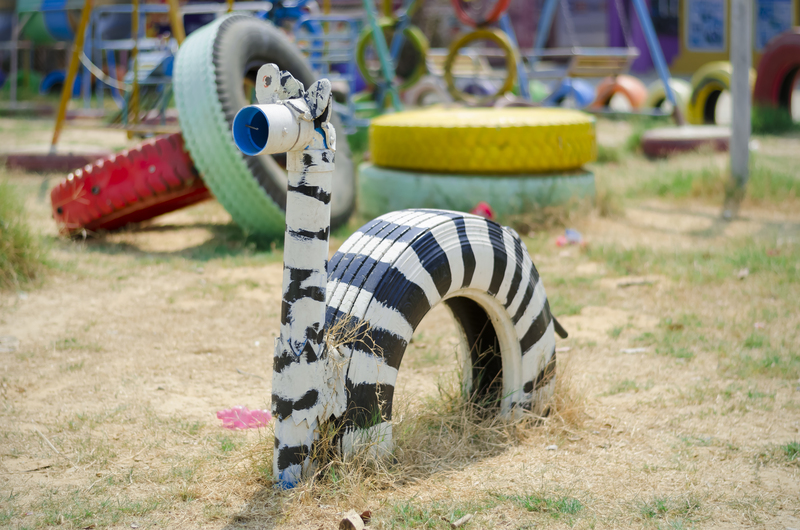
- DIY projects: Turn small pots into seed starting containers, garden markers, bird baths, or decorative planters.
- Use larger pots for storage of tools, organizing sheds, or as bins for compost and kitchen scraps.
- Broken ceramic or clay pots can be smashed and used as drainage material in the bottom of new planters, or as mulch and path fillers.
- Paint and decorate old pots for children's craft projects or to enhance garden aesthetics.
4. Compost or Return Biodegradable Pots to Nature
- Read disposal instructions: Biodegradable pots need specific composting conditions. If home composting is possible, shred pots to speed up decomposition.
- Some biodegradable pots can be planted directly into the soil, enriching it as they break down.
- If unsure, bring pots to a commercial composting facility where higher temperatures ensure complete breakdown.
5. Get Involved in Take-Back Programs
- Major retailers like The Home Depot, Lowe's, and big garden centers now offer take-back programs for plastic pots and trays.
- These pots are sorted, cleaned, and recycled in bulk, making disposal easy and sustainable for the average gardener.
- Some plant brands run mail-back schemes for specialty pots or plant trays.
6. Responsible Plant Pot Disposal by Material
Not all plant containers should be handled the same way. Here are some quick tips by type:
- For plastic pots: Always clean them and check local recycling. If in doubt, use store-based collection programs.
- For clay and ceramic pots: Donate, repurpose, or carefully discard in general waste if they're broken beyond use.
- For biodegradable pots: Compost or bury--never place them in standard recycling.
- For metal pots: Take to a metal recycling facility.
Plant Pot Recycling: Frequently Overlooked Solutions
- Workshops and Community Initiatives: Some local governments run occassional pot recycling events. Get involved in "green days" or Earth Day clean-ups.
- Return-to-Supplier Programs: Some plant vendors will accept clean pots back for reuse or recycling when you make new purchases.
- Zero-Waste Gardening Groups: Join online or local groups focused on minimizing garden waste. Exchanges or pot-sharing circles are common.
How to Store Plant Pots for Future Use
If you're not ready to part with your garden containers, proper storage can keep them in good condition for reuse:
- Stack plastic pots by size to save space and keep dust out.
- Store ceramic or clay pots off the ground to prevent moisture damage.
- Organize by material or type for easy access when the next planting season arrives.
- Clean and dry pots before storage to prevent mold and pest infestation.
Addressing Common Disposal Mistakes
Even diligent gardeners can make missteps with plant pot disposal. Avoid these common pitfalls:
- Throwing pots into curbside recycling without checking if they're accepted--this can contaminate the whole batch.
- Leaving dirty pots for recycling or donation. Soil may carry disease and deters recyclers or new users.
- Trashing recyclable pots due to inconvenience--seek out take-back options instead.
- Failing to repurpose--old pots can often be given a new life with a spark of creativity.
Innovative Trends in Plant Pot Disposal
The gardening world is embracing new technology and sustainable practices to reduce disposable waste. Here are the latest trends to watch for:
- Increase in Compostable Pots: Brands now offer pots made from coir, bamboo, rice husks, and wood fiber.
- Plantable Pot Tags: Some pots come with tags or liners that grow wildflowers or herbs when buried.
- Mobile Collection Units: Traveling recycling vehicles that visit neighborhoods for garden plastic pickup.
- Pot Deposit Schemes: Similar to bottle deposits--pay a small fee when buying pots and get it back on return.
Sustainable Purchasing: Minimize Future Disposal Pains
The easiest plant pot disposal solution is preventing excess in the first place. Shop smarter with these tips:
- Choose quality over quantity: Invest in durable, long-lasting pots rather than cheap, disposable ones.
- Buy biodegradable or compostable options when possible, especially for annuals and seedlings.
- Purchase from brands with sustainable packaging or pot-return incentives.
- Opt for secondhand: Buy used pots from thrift stores, yard sales, or online.
FAQs: Effortless Plant Pot Disposal Solutions
-
Can you put plant pots in the recycling bin?
Maybe--it depends on local rules and the type of plastic. Always check first! -
What to do with broken or damaged pots?
Repurpose them (as drainage, garden art, etc.), or bring to appropriate recycling/disposal centers. -
Are biodegradable pots really better for the environment?
Yes--if composted properly. But if sent to landfill, they offer little advantage over traditional pots. -
How can I find local pot recycling or take-back events?
Search city or county websites, or contact local nurseries and garden centers for information.
Conclusion: Make Plant Pot Disposal Effortless and Green
With a little knowledge and planning, plant pot disposal doesn't have to be a hassle--or an environmental burden. Whether you choose to recycle, repurpose, donate, or compost, there's an eco-friendly solution for every type of container. Embrace these effortless disposal strategies to keep your garden--and the planet--clean, beautiful, and sustainable.
By choosing the right approach and shopping with sustainability in mind, you'll never worry about piles of old pots cluttering your space again. Share these effortless plant pot disposal solutions with fellow gardeners and help create a greener, cleaner community for everyone!