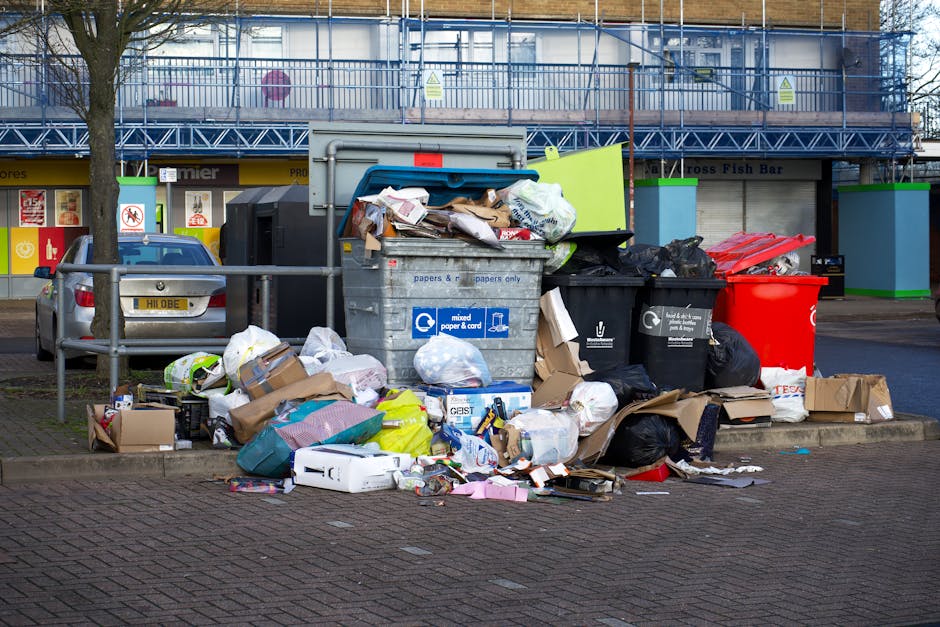
Avoid hidden costs in Woolwich rubbish removal quotes

If you have ever stared at a rubbish removal quote and thought, "That looks fine... but what am I missing?", you are not alone. Hidden charges can creep into clearance jobs in all sorts of quiet ways: access fees, minimum load rules, disposal extras, parking issues, and even the cost of lifting a heavy sofa down three flights of stairs. In Woolwich, where homes, flats, terraces, and mixed-use spaces can all throw up different access challenges, knowing how to avoid hidden costs in Woolwich rubbish removal quotes is the difference between a smooth clear-out and a nasty surprise on the invoice.
This guide breaks down what to check, how quotes are usually built, which questions to ask, and where people often get caught out. You will also find practical examples, a checklist, and a simple comparison table to help you make a fair, informed decision. Let's make the quote process feel a lot less murky.
- Why hidden costs matter
- How rubbish removal quotes work
- Benefits of getting a clear quote
- Who should use this approach
- Step-by-step guidance
- Expert tips
- Common mistakes to avoid
- Tools, resources and recommendations
- Law, compliance and best practice
- Options and comparison
- Real-world example
- Practical checklist
- Conclusion
- Frequently asked questions
Why Avoid hidden costs in Woolwich rubbish removal quotes Matters
A rubbish removal quote should do more than give you a tempting headline price. It should tell you what is included, what is not included, and what could change the final bill. That sounds obvious, but in practice, lots of people compare quotes on the front number alone. Then the quote grows legs. Not ideal.
Hidden costs matter for three simple reasons. First, they make budgeting harder. Second, they create friction on the day, especially if the team arrives and starts adding extras for items you assumed were part of the service. Third, they can make a cheap-looking quote more expensive than a more transparent one. Truth be told, the lowest price is not always the best value.
In Woolwich, this can come up more often than people expect. A flat above a shop, a narrow access road, no lift, a parking restriction, or a garden clearance with awkward side access can all affect the time and labour involved. That is fine if it is explained upfront. It is not fine if you only hear about it when the van is outside and the pressure is on.
Expert summary: a fair quote should explain scope, access assumptions, disposal method, and any likely extras before the job starts. If it does not, ask again. A good company will not be offended; they will probably respect the question.
How Avoid hidden costs in Woolwich rubbish removal quotes Works
Most rubbish removal quotes are built from a mix of volume, weight, labour, item type, access conditions, and disposal costs. Some companies quote by the load, some by estimated cubic yards or cubic metres, and some by a quick photo assessment. None of those methods is inherently bad. The real issue is clarity.
Here is how it usually works in plain English:
- You describe the waste. Photos help a lot. So do honest details about bulk, weight, and where the items are located.
- The company estimates labour and disposal. A mattress in a front room is one thing. The same mattress up four flights of stairs is another. Small difference, big effect.
- They factor in vehicle size and time. More trips, more crew time, or longer loading can affect the price.
- They add any known extras. These may include difficult access, certain bulky items, or special handling needs.
- You receive a quote or estimate. The best version explains whether the figure is fixed or subject to inspection.
The phrase to look for is what is included. A transparent rubbish removal quote should spell out labour, transport, disposal, recycling, and any call-out or minimum charge. If you are comparing providers, it helps to ask each one the same questions. Otherwise you end up comparing apples and... a very vague orange.
For example, a quoted price might seem fine until you learn that sofa removal is extra, stair carrying is extra, and same-day collection costs more. Those extras may be reasonable in isolation, but they should not appear like jump scares halfway through the booking process.
Key Benefits and Practical Advantages
Being careful with quotes is not just about saving money, though that is obviously part of it. The bigger gain is control. When you know exactly what you are paying for, the whole job feels calmer and easier.
- Better budgeting: you can plan properly instead of guessing the final bill.
- Cleaner comparisons: fixed-scope quotes let you compare like with like.
- Fewer disputes: clear terms reduce awkward conversations on collection day.
- More efficient planning: you know whether to move items yourself, clear access, or arrange permits if needed.
- Less stress: no one enjoys negotiating charges while a pile of old furniture sits in the hallway.
There is also a practical efficiency benefit. If you know a company's quote is based on access, item count, and disposal requirements, you can prepare the space more sensibly. That might mean moving smaller bags closer to the front door, separating reusable items, or identifying anything that needs special handling.
And let's be fair: nobody wants a good clear-out ruined by arguments over a service they thought was straightforward.
Who This Is For and When It Makes Sense
This approach makes sense for almost anyone booking waste clearance, but it is especially useful if your job has even a little complexity. That could be a top-floor flat, a large house clearance, office furniture removal, garden waste, or a mixed pile of household clutter and heavier items.
You will benefit most if you are:
- moving out and need a final clear-out
- clearing a property after renovation or decorating
- dealing with bulky furniture or white goods
- handling a flat clearance with stairs or limited parking
- sorting an inherited property where the contents are not fully known yet
- running a small business and need office waste or old stock removed
It also makes sense if you are comparing different service types. For example, a general waste removal service may be the right fit for mixed rubbish, while a more focused job such as house clearance or flat clearance may suit a fuller property clean-out. The important part is matching the quote to the actual job, not the job you hope it will turn into.
One small but common scenario: someone books "a few items" and later remembers there are also bags in the loft, broken garden furniture out back, and an old freezer tucked in the garage. That is where quotes start to wobble. The more complete your description, the less wobble later.
Step-by-Step Guidance
If you want to avoid hidden costs, the process is simpler than it looks. It just needs a bit of discipline at the start. Here is a practical way to handle it.
1. Make a full list of everything to be removed
Walk the property room by room. Include obvious large items, but also smaller bits that add up quickly: black bags, broken chairs, under-stairs clutter, old boxes, shelving, and garden offcuts. People often forget the "small stuff" and then wonder why the volume estimate was off.
2. Note access conditions honestly
Write down stairs, lifts, tight hallways, shared entrances, long driveways, narrow streets, parking challenges, and rear access issues. If the crew has to carry items a long way, that affects labour time. This is not a trick; it is just part of the work.
3. Ask for what is included in writing
Do not rely on a quick phone chat alone. Ask for a written quote or message with the main details. Look for labour, disposal, VAT if relevant, minimum charges, and any likely extras. If something sounds vague, ask for it to be clarified. Once. Then again if needed. A bit of awkwardness now saves a lot later.
4. Confirm whether the price is fixed or estimated
A fixed quote means the agreed price should stand if your description was accurate. An estimate may change after inspection. Both can be acceptable, but you need to know which one you are being given. That one detail makes a big difference.
5. Ask about item-specific charges
Some items can cost more because they need special handling, extra labour, or separate disposal routes. Examples may include fridges, mattresses, bulky wardrobes, or awkward garden waste. The point is not to avoid these items. The point is to know about them before collection day.
6. Check whether recycling or disposal fees are built in
A proper quote should explain how the waste will be handled. Reputable providers will usually sort, load, transport, and dispose of waste in line with normal best practice. If they mention recycling or reuse, ask how that affects the quote. Sometimes it helps. Sometimes it simply means the pricing is structured differently.
7. Prepare the property before the team arrives
Where possible, make access easier. Clear the path, unlock gates, reserve parking if it is legal and practical, and separate anything you are keeping. Even a little preparation can reduce time on site. That can help the job go more smoothly and, in some cases, avoid extra labour time. Nice and simple.
Expert Tips for Better Results
The biggest mistake people make is treating every quote as if it is built the same way. It rarely is. Here are the details that seasoned customers tend to check first.
- Send photos from different angles. One picture can be misleading. A set of photos gives a far better sense of volume and access.
- Be honest about heavy items. A light-looking wardrobe can still be a slog if it has to come down narrow stairs.
- Ask what happens if the job grows. If you later add a few extra bags, what is the charging method?
- Check collection timing. Same-day or urgent removal can be convenient, but it may carry a different pricing structure.
- Keep an eye on wording. "From" prices, "subject to assessment," and "minimum load" language all deserve a second look.
One useful habit is to compare the quote against your actual rooms, not your memory of the room. Sounds odd, but memory is optimistic. Rooms are not.
If the property has special considerations, say so early. For instance, a basement room, a communal stairwell, or a long carry from rear access can all change the labour side of the quote. That is not a red flag by itself. It is just the reality of the job.
When a provider is transparent, the conversation usually feels straightforward. You ask a few sensible questions. They answer clearly. Everyone saves time. That is the aim, really.
Common Mistakes to Avoid
Most hidden-cost problems come from avoidable assumptions. Here are the ones that crop up most often.
- Assuming the quote includes everything. Never assume. Ask.
- Not mentioning access problems. Stairs, parking, and distance matter.
- Leaving items out of the description. The quote can only be accurate if the details are accurate.
- Comparing only the headline price. A lower price can hide a higher final bill.
- Ignoring minimum charges. A small job may still have a base cost.
- Not checking if the service is fixed or estimated. That difference matters more than people think.
Another common snag is leaving out heavy or awkward items because you assume they are "just one thing." One thing can be enough to alter the job, especially if it needs two people to move safely. Then the quote changes, and suddenly the day feels more complicated than it should.
Also, if a company is unwilling to explain its pricing, that is usually information in itself.
Tools, Resources and Recommendations
You do not need complicated tools to get this right. A phone, a notebook, and a little honesty go a long way. Still, a few simple habits can make the process cleaner.
- Take clear photos: wide shots plus close-ups of bulky or unusual items.
- Make a room-by-room list: living room, loft, garage, garden, shed, office.
- Note access details: stair count, parking, gates, lifts, and carry distance.
- Separate special items: anything very heavy, fragile, or likely to need extra handling.
- Keep quote messages together: so you can compare what each provider actually promised.
If you want a place to start looking at service types and quote-related information, the site's pricing and quotes page is a sensible reference point. For jobs where safe handling matters, it is also worth reading about insurance and safety and the company's health and safety policy. Those pages help set expectations before anyone arrives with a van.
If your clearance has a sustainability angle, you may also find the approach to recycling and sustainability useful, especially if you want to understand what happens after collection. Not every provider explains this clearly, so it is worth checking.
Law, Compliance, Standards, or Best Practice
Any rubbish removal service should operate responsibly and handle waste in line with standard UK expectations for transport, disposal, and duty of care. You do not need to memorise legislation to ask good questions, but you should expect the provider to be clear about how waste is managed and where it goes.
Best practice usually includes:
- carrying waste with suitable care and safe loading methods
- using lawful disposal routes
- being transparent about what types of waste are accepted
- explaining any extra steps for restricted, bulky, or specialist items
- stating important terms clearly before the job starts
If a quote seems unusually low, ask yourself a simple question: what is missing? It might be nothing, of course. But it might also mean disposal, labour, or access factors have not been properly accounted for. That is why clarity matters.
For business customers, this matters even more. Office waste, builder's debris, and mixed commercial rubbish can require more careful planning. If that is your situation, a page like business waste removal or office clearance may better reflect the type of work involved. For renovation or site work, builders waste clearance may be the more relevant option.
Good compliance does not have to be complicated. It just needs to be visible. If a company is vague about disposal, insurance, or what happens to the waste, that is a signal to slow down.
Options, Methods, or Comparison Table
Different booking methods suit different jobs. Here is a practical comparison to help you see where hidden costs can sneak in.
| Quote method | How it works | Best for | Hidden-cost risk |
|---|---|---|---|
| Photo-based quote | You send images and details before collection | Standard domestic clearances and mixed waste | Medium if access details are missing |
| On-site assessment | The team inspects the job before confirming price | Large, complex, or unclear clearances | Lower if the assessment is thorough |
| Load-based pricing | Charge depends on volume taken away | Varied waste loads and one-off clearouts | Medium if the load estimate is vague |
| Itemised quote | Each item or category is priced separately | Mixed jobs with bulky or specialist items | Lower when items are listed accurately |
| From-price estimate | A starting price is given before final review | Simple jobs where final scope is not fixed | Higher unless the conditions are clearly explained |
In practice, the safest route is the one that fits the job honestly. A small flat clearance may work well with photos and a written fixed quote. A larger property, a cluttered loft, or a clearance with uncertain access may be better suited to an on-site inspection. There is no prize for choosing the fanciest method. Just choose the clearest one.
Case Study or Real-World Example
Picture a typical Woolwich job. A resident in a second-floor flat wants a lounge cleared: a two-seat sofa, a coffee table, a broken TV unit, several bags of clutter, and an old mattress. The first quote sounds attractive, but it only mentions "general waste collection."
When the resident asks a few questions, it turns out the price assumed ground-floor access and no mattress. The building also has a narrow stairwell, so the labour time is slightly more involved. Nothing outrageous. Just not the same job the customer imagined.
After the details are clarified, the final quote is adjusted. It is a bit higher, but now it reflects the actual work. That matters because the customer can decide properly: proceed, reduce the load, or separate the mattress for another arrangement. No pressure, no awkward surprise, no half-mutual eyebrow-raising when the team arrives. You know the sort of thing.
That is the real lesson. A transparent quote does not have to be the cheapest. It just has to be truthful.
Practical Checklist
Use this quick checklist before you accept any rubbish removal quote in Woolwich.
- Have I listed every item to be removed?
- Have I mentioned stairs, lifts, parking, gates, and access limits?
- Do I know whether the quote is fixed or estimated?
- Have I asked what is included in the price?
- Have I checked whether there are extra charges for bulky or heavy items?
- Have I confirmed whether labour, disposal, and transport are included?
- Have I asked what happens if the job is bigger than expected?
- Have I compared more than one quote on the same basis?
- Have I read any safety, payment, or terms information provided?
- Do I understand the likely final cost well enough to proceed with confidence?
If you can tick most of those off, you are in a much stronger position. Not perfect, just stronger. And that is usually enough to avoid the worst surprises.
Conclusion
The simplest way to avoid hidden costs in Woolwich rubbish removal quotes is to treat the quote as a conversation, not a throwaway number. Be specific about what you need removed, honest about access, and clear about the type of pricing being offered. Ask what is included, what could change the price, and whether the figure is fixed or only an estimate.
Do that, and you will usually get a smoother collection, a fairer price, and far fewer headaches on the day. It is one of those small bits of admin that pays off properly. A little attention now saves a lot of annoyance later, and frankly, that is time well spent.
Get a free quote today and see how much you can save.
Frequently Asked Questions
How do I know if a rubbish removal quote has hidden costs?
Look for vague wording, missing details, or a price that does not explain labour, disposal, access, or item-specific charges. If the quote feels thin, ask for it in writing with clearer inclusions.
What should be included in a fair rubbish removal quote?
A fair quote should normally explain labour, transport, disposal, and any known extras such as stairs, heavy items, or difficult access. The key is clarity. If something is excluded, it should be stated plainly.
Is the cheapest quote usually the best option?
Not usually. A very low quote can be fine, but it can also mean extras appear later. A slightly higher but fully explained quote is often better value because you know what you are paying for.
Should I send photos before getting a quote?
Yes, if possible. Photos help the provider judge volume, access, and item type more accurately. They also reduce the chance of misunderstandings on collection day.
What access details should I mention?
Mention stairs, lifts, parking, long carry distances, narrow hallways, shared entrances, locked gates, and rear access. These details can affect labour time and should be known upfront.
Can a quote change on the day?
Yes, if the job is materially different from the description given. That is why it is so important to be accurate when requesting the quote and to confirm whether the price is fixed or estimated.
Do bulky items cost more to remove?
They often can, especially if they need extra handling, more labour, or separate disposal. Items like wardrobes, mattresses, fridges, and heavy furniture are common examples.
What is the difference between a fixed quote and an estimate?
A fixed quote should stay the same if your description was accurate. An estimate can change after inspection or if the job details turn out to be different from what was originally explained.
Should I ask about recycling and disposal?
Yes. It is sensible to ask how the waste will be handled and whether recycling is part of the service. It gives you a clearer picture of the company's approach and the value behind the price.
How can I prepare to reduce costs?
Clear access, separate items you are keeping, give accurate information, and send clear photos. A little preparation can reduce loading time and make the job much more straightforward.
Are house clearances and waste removal quoted the same way?
Not always. House clearances may involve more rooms, mixed contents, and more sorting, while general waste removal may be based more on volume and access. The quote should match the actual service needed.
What should I do if I think the quote is unclear?
Ask for a breakdown. If the provider cannot explain the price simply, that is a warning sign. A good company should be able to set out the main cost factors without fuss.
If you want a cleaner, more confident start, begin with clear details and the right service page, then compare quotes on a like-for-like basis. That simple habit can save money, reduce stress, and make the whole process feel a lot more human.